
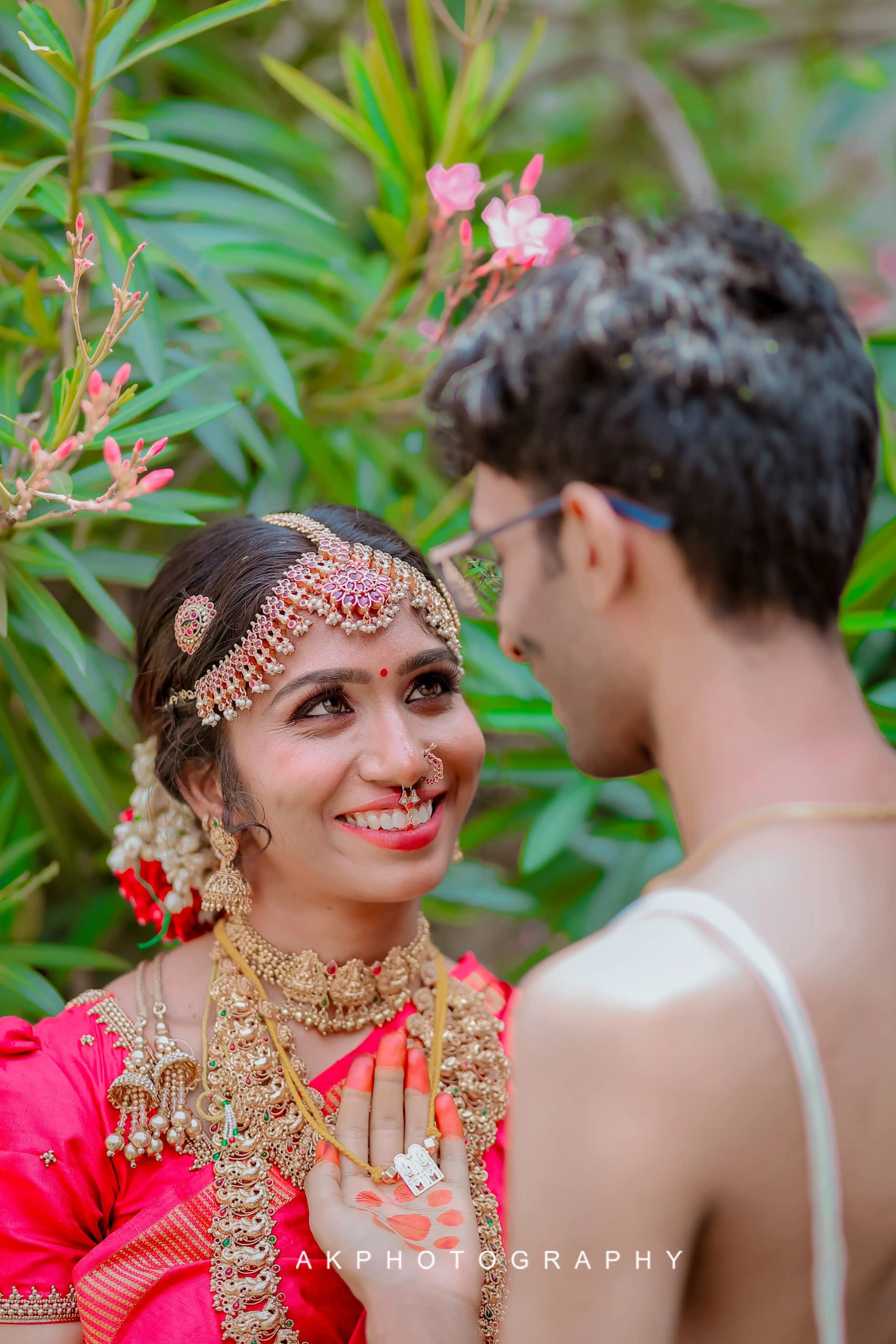
There’s something profoundly beautiful about witnessing a Brahmin wedding unfold. The air thick with incense, the rhythmic chanting of Vedic mantras, and the meticulous adherence to traditions that have been passed down through millennia—these ceremonies aren’t just weddings; they’re living connections to ancient wisdom. As a photographer specializing in these sacred celebrations, I’ve learned that capturing a Brahmin wedding requires more than technical skill. It demands cultural sensitivity, an understanding of ritual significance, and the ability to anticipate moments before they happen.
If you’re planning your Brahmin wedding or searching for the right photographer to document your special day, you’re probably overwhelmed by questions. How do you find someone who understands the nuances of your traditions? What moments are absolutely essential to capture? How do you balance preserving authenticity with getting those stunning, share-worthy images? Let me walk you through everything you need to know about Brahmin wedding photography, drawing from years of experience documenting these beautiful ceremonies across Tamil Nadu.
Understanding the Sacred Nature of Brahmin Weddings
Brahmin weddings aren’t merely social celebrations—they’re spiritual journeys. Every ritual, from the Kasi Yatra where the groom pretends to renounce worldly life, to the Saptapadi where the couple takes seven sacred steps around the holy fire, carries deep philosophical meaning. The challenge and privilege of photographing these weddings lie in capturing both the visible beauty and the invisible spiritual essence.
When couples search for Brahmin wedding photographers in Chennai, they’re not just looking for someone who can operate a camera. They’re seeking a cultural translator—someone who knows when to step forward and when to respectfully step back, someone who understands that certain moments demand reverence over disruption.
The Essential Moments You Cannot Miss
Pre-Wedding Rituals That Set the Stage
The story of your wedding doesn’t begin on the wedding day itself. The Sumangali Prarthanai, where married women bless the bride, and the Vratham, where the couple fasts and prays for a blessed union, are intimate moments filled with emotion. These preparatory rituals are where you’ll find some of the most genuine expressions—mothers wiping away tears, grandmothers sharing wisdom, siblings stealing quiet moments with the bride or groom.
Many couples later tell me that their favorite photographs come from these quieter pre-wedding moments. There’s an unguarded authenticity here that’s harder to capture during the ceremony itself, when everyone is more conscious of the crowd and the proceedings.
The Morning Muhurtham Magic
Brahmin weddings typically begin early, often at an auspicious time determined by the family priest. This presents both a challenge and an opportunity for photographers. The soft morning light filtering through the mandapam creates an ethereal quality that’s impossible to replicate. But it also means your photographer needs to be alert and prepared from the first ray of sun.
The Ganesh Pooja that opens the ceremony sets the spiritual tone for everything that follows. Capturing the concentration on the couple’s faces as they invoke blessings, the delicate hand positions during the mudras, and the smoke rising from the homam—these images become touchstones that transport you back to those sacred moments.
Why Cultural Understanding Matters More Than You Think
I once worked with a couple who had interviewed several photographers before choosing to work with us. They told me that what sealed their decision was when I mentioned the Oonjal ceremony without them having to explain it. That small detail signaled that I understood their traditions, that I wouldn’t need hand-holding through every ritual, and that I’d instinctively know which moments mattered most.
This cultural fluency translates directly into better photographs. When you understand that the Mangalya Dharanam isn’t just about the groom tying a thread around the bride’s neck, but represents the eternal bond between two souls, you position yourself differently. You capture not just hands and threads, but the weight of commitment, the solemnity of promises being made, the tears in parents’ eyes as they witness their children taking this sacred step.
The Technical Challenges of Photographing Brahmin Ceremonies
Let’s talk about the elephant in the room—or rather, the mandapam. Traditional wedding venues aren’t designed with photographers in mind. You’re often working in spaces with challenging lighting conditions, restricted movement areas, and specific protocols about where you can and cannot stand.
The smoke from the homam can create atmospheric images, but it also plays havoc with autofocus systems. The bright silk sarees reflect light unpredictably. The ceremonies are continuous and unforgiving—there’s no “let’s do that again” in the middle of Vedic chants. This is where experience separates adequate photographers from exceptional ones.
A skilled photographer knows how to work with available light, understands which lenses to use in confined spaces, and has backup plans for their backup plans. They’ve learned to anticipate the flow of rituals, positioning themselves where the next important moment will unfold rather than chasing it after it’s already happened.
Creating a Comprehensive Shot List Without Missing Spontaneity
One of the biggest pain points couples express is the fear of missing important moments. With so many rituals packed into a few hours, how do you ensure nothing significant slips through the cracks? This is where a well-prepared Brahmin wedding photography team becomes invaluable.
The Non-Negotiable Captures
Certain photographs are absolute essentials. The Kashi Yatra, where the groom’s dramatic “reluctance” to marry is overcome by the bride’s father’s persuasion, is both meaningful and often quite theatrical—perfect for compelling images. The Kanyadaanam, the giving away of the bride, is emotionally charged and represents one of the most poignant moments for families.
The Saptapadi deserves special attention. Each of the seven steps represents a vow—for food, strength, prosperity, happiness, progeny, longevity, and friendship. Documenting all seven steps isn’t just about checking boxes; it’s about creating a visual narrative of the promises that will guide the couple’s life together.
Don’t forget the supporting cast. Grandparents watching the ceremony with knowing smiles, children fidgeting in their silk clothes, the priest’s hands moving through sacred gestures—these contextual shots are what transform a collection of wedding photos into a complete story.
Balancing Documentation with Artistry
Here’s a truth that many photographers won’t admit: you can document every ritual perfectly and still create a boring wedding album. The magic happens when technical documentation meets artistic vision. This is where poses that feel natural within the cultural context become crucial.
After the ceremony, during the couple portraits session, the best images come from blending traditional elements with contemporary aesthetics. Maybe it’s capturing the couple framed by the temple architecture, or using the intricate details of the bride’s madisar or koorai saree as a visual element. The goal is creating images that honor tradition while feeling fresh and personal.
The Digital Age Dilemma: Sharing vs. Preservation
Modern couples face a unique challenge. You want those Instagram-worthy shots that will get likes and admiring comments, but you also want images that your grandchildren will treasure. These aren’t mutually exclusive goals, but they do require different approaches.
Social media has its place in wedding photography. Those carefully composed flat lays of wedding jewelry, the creative use of reflections and symmetry, the drone shots showing the mandapam from above—these contemporary elements can coexist with traditional documentation. The key is ensuring that the pursuit of social media moments doesn’t overshadow the capture of authentic, meaningful moments.
I’ve seen weddings where couples were so focused on getting that perfect Instagram shot that they missed being present for their own ceremonies. A skilled photographer helps you find the balance, creating opportunities for those stunning portraits without pulling you away from the moments that matter.
Working with Family Expectations and Dynamics
Let’s address one of the most delicate aspects of wedding photography—managing family expectations. Brahmin weddings are inherently family-centered affairs. Aunts, uncles, cousins, family friends—everyone wants their moment with the couple, and everyone’s mother wants a perfect family portrait.
This is where communication becomes as important as camera skills. Before the wedding, sit down with your photographer and discuss the family dynamics. Are there divorced parents who need separate photos? Extended family members who’ve traveled from abroad and must be included? Special considerations for elderly grandparents?
A comprehensive family photo list, created in advance and shared with a designated family coordinator, can save enormous stress on the wedding day. Your photographer shouldn’t be responsible for herding relatives—that’s a sure way to miss important ceremony moments. Designate a family member to gather people for group shots during designated times.
The Investment Question: Understanding Photography Packages
When couples start researching wedding photography packages in Chennai, they’re often shocked by the price variations. Why does one photographer charge ₹50,000 while another charges ₹2,50,000? Understanding what you’re actually paying for helps you make informed decisions.
Beyond the obvious factors like experience and equipment, consider what’s included. How many edited images do you receive? What’s the turnaround time? Do you get printing rights? Is there a second shooter to capture different angles simultaneously? What about albums and prints—are they included or additional?
For a full-day Brahmin wedding, you’re typically looking at 10-14 hours of coverage. A professional photographer isn’t just pressing the shutter button; they’re making hundreds of micro-decisions about composition, lighting, and timing. After the wedding, there are dozens more hours in post-processing, carefully editing each image to ensure consistent color, proper exposure, and artistic polish.
The Value of Local Expertise
There’s something to be said for working with a photographer based in your wedding city. Photographers familiar with Brahmin weddings in Coimbatore or Chennai understand the local variations in traditions, know the best venues, and have relationships with other vendors that can smooth the entire process.
Local photographers also understand practical considerations—traffic patterns in the city, backup locations for portraits if weather doesn’t cooperate, and the specific architectural elements of popular wedding venues that can be leveraged for stunning images.
Preparing for Your Photography Experience
The difference between good wedding photos and extraordinary ones often comes down to preparation—on both sides. As a couple, there are several things you can do to ensure your photographer captures your day beautifully.
First, create a private Pinterest board or folder with images that inspire you. Don’t just share generic “wedding inspiration”—be specific. “I love the way the smoke from the homam is captured here” or “This candid of the bride laughing with her sister is exactly what I want” gives your photographer clear direction.
Second, share your concerns openly. If you’re self-conscious about certain angles, tell your photographer. They’re professionals who know how to work with all body types and can position you in flattering ways. If you have family members who are camera-shy or resistant to photos, mention this so your photographer can approach them with extra sensitivity.
Third, trust your photographer’s artistic vision. You hired them for their expertise. While it’s fine to request certain shots, allow them the creative freedom to capture moments as they unfold. Some of the most treasured images are ones couples never thought to request—spontaneous captures that perfectly encapsulate the emotion of the day.
The Timeline Factor: Building in Buffer Time
One of the biggest stressors in wedding photography is rushed schedules. Brahmin weddings have specific muhurtham times that cannot be moved, but the surrounding activities should have built-in flexibility. If you want relaxed, natural couple portraits, you need time when you’re not anxiously watching the clock.
Discuss timeline planning with your photographer during the pre-wedding consultation. They can help you understand how much time different types of shoots require. A rushed 20-minute couple session will yield far different results than a relaxed hour where you can try different locations and setups.
Consider doing a first look session before the ceremony. While this isn’t traditional, it can relieve nerves, get some formal photographs out of the way, and actually help you be more present during the ceremony since you’re not thinking about photos you still need to take.
Beyond the Wedding Day: Engagement and Pre-Wedding Shoots
Many couples now opt for separate engagement or pre-wedding photoshoots. These sessions serve multiple purposes. They help you get comfortable in front of the camera before the wedding day pressure. They provide images for save-the-date cards and wedding websites. And they give your photographer valuable insight into how you interact as a couple, which informs how they’ll approach your wedding day.
These shoots can be more relaxed and creative than wedding day photography. You might incorporate meaningful locations—where you met, where you got engaged, your favorite coffee shop. Without the time pressure of a wedding schedule, you can experiment with different styles and create a diverse set of images.
The Editing Philosophy: Finding Your Aesthetic
Photography editing styles have evolved dramatically. Some photographers favor dark and moody tones, others prefer bright and airy aesthetics, and still others embrace highly saturated, vibrant colors. There’s no objectively “correct” style—it’s about finding a photographer whose aesthetic aligns with your vision.
When reviewing portfolios, look beyond individual striking images. Does the photographer’s style feel consistent? When you imagine these photos on your wall in ten years, will they still feel timeless, or are they chasing trends that will quickly date? For traditional Brahmin weddings, many couples prefer editing that honors the rich colors of silk sarees and traditional decor while maintaining a clean, classic feel.
The Delivery Experience: What Happens After the Wedding
The gap between your wedding day and receiving your final images can feel eternal. Understanding the typical workflow helps manage expectations. Immediately after the wedding, many photographers provide a small set of sneak peek images—usually 20-30 photos that give you something to share with eager relatives and friends.
The full edited gallery typically takes 6-8 weeks, though this varies by photographer and season. Peak wedding season (November through February in South India) means longer turnaround times as photographers are juggling multiple weddings. This is information to discuss upfront so you know what to expect.
When you receive your gallery, you’ll typically get high-resolution digital files through a private online gallery. This is where you’ll select images for albums, prints, and sharing. Many photographers also offer printed albums as part of their packages or as add-ons, and there’s something special about a beautifully designed album that digital files can’t replace.
Making Your Selection: Questions to Ask Potential Photographers
When you’re interviewing photographers, come prepared with specific questions that will reveal whether they’re the right fit:
- How many Brahmin weddings have you photographed? Can I see full galleries, not just highlight reels?
- What’s your approach to balancing posed and candid photography?
- How do you handle low-light situations during indoor ceremonies?
- Will you be the primary photographer at my wedding, or will you send an associate?
- What happens if you’re sick on my wedding day? Do you have backup arrangements?
- How do you manage family photo sessions without disrupting the ceremony schedule?
- What’s included in your packages, and what costs extra?
- How long until I receive my images, and in what format?
- Do I get printing rights, and are there restrictions on how I can use my images?
Pay attention not just to the answers, but to how comfortable you feel communicating with the photographer. You’ll spend your entire wedding day with this person. A photographer who listens well, asks thoughtful questions, and makes you feel at ease is worth their weight in gold.
The Videography Question
While this article focuses on photography, many couples wonder whether they need videography as well. Video captures elements that photographs cannot—the shakiness in your voice during the vows, the laughter during the Kashi Yatra, the ambient sounds of the ceremony. It’s a different medium that complements rather than replaces photography.
If your budget allows, having both photo and video documentation creates the most complete record of your day. Many photographers work regularly with specific videographers, and booking them as a package often yields better coordination and sometimes pricing advantages.
Preserving Your Investment: Backup and Storage
Here’s something couples often don’t consider until it’s too late: digital preservation. Your wedding photos are irreplaceable, yet they exist as fragile digital files. Ensure your photographer backs up your images in multiple locations—most professionals use at least two backup systems plus cloud storage.
When you receive your final images, create your own backup strategy. Store copies in multiple locations: external hard drive, cloud storage (Google Drive, Dropbox), and consider a second external hard drive kept in a different location. Technology fails, hard drives crash, and you don’t want to discover this the hard way.
The Cultural Evolution of Brahmin Wedding Photography
Photography itself has become part of the wedding tradition, even as it documents tradition. Where once families hired photographers who simply recorded events, now couples seek artists who create heirlooms. The best Brahmin wedding photographers understand that they’re not just hired vendors—they’re being invited to witness and preserve sacred moments.
This responsibility shapes how we approach our work. Every wedding ceremony we document is someone’s most important day, a connection in an unbroken chain of tradition stretching back generations and forward to generations yet to come. The photographs we create become part of family history, shown to children and grandchildren, displayed in homes, treasured in albums.
Final Thoughts: Making Your Choice
Choosing a photographer for your Brahmin wedding is one of the most important vendor decisions you’ll make. Unlike flowers that wilt or food that’s consumed, photographs last forever. They’re what you’ll have when the decorations are packed away and the excitement has faded into cherished memory.
Look for more than technical skill, though that certainly matters. Seek someone who respects your traditions, understands the cultural significance of what they’re documenting, and approaches their work with both professionalism and heart. Your wedding day will pass quickly, but the photographs will let you relive it again and again.
When you’re capturing sacred rituals in Coimbatore or documenting a traditional ceremony in Chennai, you’re not just hiring someone to take pictures. You’re choosing the person who will tell your love story through images, who will create the visual legacy of your marriage’s beginning.
Take your time with this decision. Meet with photographers, review their work thoroughly, and trust your instincts. When you find the right match, you’ll know. And on your wedding day, instead of worrying about whether the moments are being captured, you’ll be free to live them fully, knowing that they’re being preserved beautifully for all the days to come.
Frequently Asked Questions About Brahmin Wedding Photography
How much should I budget for Brahmin wedding photography?
Professional Brahmin wedding photography in Chennai typically ranges from ₹75,000 to ₹3,00,000 depending on the photographer’s experience, package inclusions, and coverage hours. Premium packages that include pre-wedding shoots, multiple photographers, videography, and elaborate albums will naturally cost more. Remember that this investment preserves memories for a lifetime, so prioritize quality over price alone. Most photographers offer customizable packages, so discuss your specific needs to find something within your budget.
Do I need to book a photographer who specializes in Brahmin weddings?
While not absolutely necessary, it’s highly beneficial. Photographers familiar with Brahmin wedding traditions understand the sequence of rituals, know which moments are most significant, and can anticipate key events before they happen. This cultural knowledge translates into better coverage and more meaningful photographs. They also understand protocols about where they can position themselves during ceremonies and show appropriate respect for the sacred nature of the rituals.
How far in advance should I book my wedding photographer?
For popular wedding photographers in Chennai and Coimbatore, booking 8-12 months in advance is recommended, especially if your wedding falls during peak season (November-February). Highly sought-after photographers often book up a year or more ahead. Even if your wedding is just a few months away, it’s worth reaching out—cancellations do happen. However, more advance notice gives you better selection and ensures you can secure your first-choice photographer.
What’s the difference between candid and traditional wedding photography?
Traditional wedding photography focuses on posed, formal images—family portraits, couple shots with specific positioning, and documentation of rituals from planned angles. Candid photography captures spontaneous moments—genuine laughter, tears, stolen glances, and natural interactions. The best Brahmin wedding photography incorporates both approaches. You need the formal family photographs for framing and sharing, but the candid moments often become the most treasured images because they capture authentic emotion.
Should I have a second photographer at my wedding?
For a full Brahmin wedding, having a second photographer is extremely valuable. While the primary photographer focuses on the ceremony and couple, the second shooter can capture family reactions, detail shots, different angles of the same moment, and activities happening simultaneously in different areas. This ensures more comprehensive coverage and means you won’t miss important moments. Most photographers offer second shooter options in their premium packages.
How many edited photos should I expect to receive?
For a full-day Brahmin wedding (10-14 hours of coverage), you can typically expect 500-800 edited images from a professional photographer. Some deliver more, others fewer—what matters is quality over quantity. Every image should be properly exposed, well-composed, and meaningfully contribute to telling your wedding story. Be wary of photographers who promise 2,000+ images; this often means minimal culling and editing, resulting in many similar or subpar photos.
Can I request specific shots or poses?
Absolutely! Creating a shot list with must-have photographs helps ensure nothing important is missed. Share inspiration images and communicate any specific family groupings, locations, or moments you want captured. However, avoid being so prescriptive that you don’t allow your photographer creative freedom. They’re professionals who can envision shots you haven’t thought of. The best results come from collaboration—your vision combined with their expertise.
What should I do if I’m not photogenic or camera-shy?
Many people feel this way, and professional photographers are skilled at making subjects comfortable. Mention your concerns during your consultation so your photographer can work with you. Consider scheduling an engagement or pre-wedding shoot to practice being in front of the camera in a lower-pressure setting. On the wedding day, the best candid moments happen when you forget about the camera and immerse yourself in the ceremony and celebrations. A good photographer will capture you naturally rather than making you feel overly posed.
How do we handle family photos without taking too much time?
Efficiency is key. Before the wedding, create a detailed list of required family groupings and designate a family member (not a parent or anyone in the bridal party) to help gather people. Schedule family photos at a specific time, communicate this to all family members in advance, and try to complete them in 30-45 minutes. Your photographer can guide the process, but having a point person who knows everyone makes it much smoother. Consider doing immediate family photos earlier in the day if possible.
What rights do I have to my wedding photos?
This varies by photographer, so clarify this in your contract. Most professional photographers provide edited high-resolution digital files with printing rights, meaning you can print and share them as you wish. However, copyright typically remains with the photographer—they retain the right to use images in their portfolio, marketing, and publications. Some photographers offer full copyright transfer for an additional fee. Understand what’s included and what restrictions exist before signing your contract.