
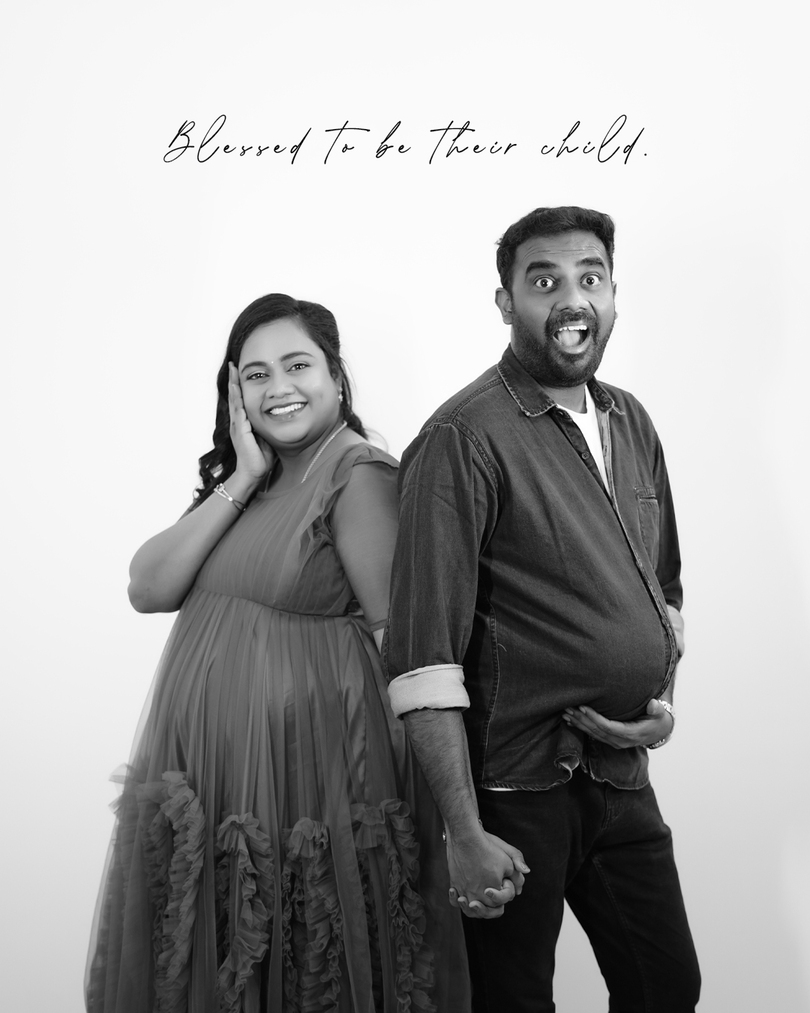
Pregnancy is a sacred journey, and capturing it through traditional maternity photography allows you to honor your cultural heritage while celebrating the miracle of new life. As expectant mothers search for ways to document this precious time, many are rediscovering the beauty and significance of traditional maternity shoot poses that blend cultural customs with contemporary photography techniques.
Traditional maternity photoshoots have experienced a remarkable renaissance in recent years. Gone are the days when maternity photography meant only modern, Western-style poses. Today’s mothers-to-be are embracing their roots, choosing poses that reflect their cultural identity while creating timeless memories. Whether you’re planning a Seemantham ceremony photoshoot or a more intimate traditional session, understanding the art of traditional poses can transform your maternity photos from simple snapshots into cherished heirlooms.
Understanding the Essence of Traditional Maternity Photography
Traditional maternity shoot poses aren’t just about standing in front of a camera—they’re about storytelling. Each pose carries meaning, representing blessings, protection, and the anticipation of welcoming a new soul into the family. These poses often incorporate elements like traditional attire, jewelry, and gestures that have been passed down through generations.
The beauty of traditional maternity photography lies in its ability to connect you with your ancestors. When you drape a silk saree for your maternity session or position your hands in a blessing gesture, you’re participating in a ritual that countless women in your family have honored before you. This connection transforms your photos from mere documentation into powerful visual narratives that your child will treasure for generations.
The Cultural Significance Behind Traditional Poses
Many expectant mothers wonder why traditional poses feel so different from contemporary maternity photography. The answer lies in their deeper purpose. Traditional poses often emphasize:
Reverence for motherhood: Rather than focusing solely on the belly, traditional poses celebrate the complete transformation of a woman into a mother. The positions are dignified, reflecting the elevated status of pregnant women in traditional cultures.
Spiritual protection: Many traditional poses involve hand positions (mudras) or body alignments believed to offer blessings and protection to both mother and baby. These aren’t superstitions but cultural practices rooted in centuries of wisdom.
Family continuity: Traditional maternity shoots often include elements that symbolize the continuation of family lineages, making them especially meaningful for Valaikappu photoshoots and similar ceremonies.
Essential Traditional Maternity Shoot Poses
The Classic Standing Profile
This timeless pose showcases your beautiful baby bump while maintaining traditional modesty. Stand sideways to the camera, with one hand gently cradling your belly and the other resting naturally by your side or adjusting your saree pallu. Keep your posture straight and dignified—this pose represents strength and grace. The key is to look slightly downward toward your belly, creating an intimate connection between you and your unborn child.
This pose works exceptionally well in traditional attire, especially when your saree or lehenga features intricate embroidery that deserves attention. The side angle allows the fabric to drape naturally, creating beautiful lines that complement your pregnancy curves without overwhelming the frame.
The Seated Blessing Pose
Sitting cross-legged or in a semi-kneeling position on the floor represents grounding and connection to earth energies. Place both hands on your belly in a protective gesture, with fingers forming a heart shape or a traditional blessing mudra. This pose is particularly meaningful for traditional Seemantham photoshoots as it mirrors the posture many women adopt during blessing ceremonies.
The beauty of this pose is its versatility. You can look directly at the camera with a serene expression, close your eyes in meditative contemplation, or gaze down at your belly. Each variation tells a different story—confidence, introspection, or maternal bonding.
The Pallu Drape
One of the most photographed traditional poses involves artfully draping your saree pallu across your belly. This pose requires some preparation but creates stunning visual impact. Hold the pallu edges with both hands, allowing the fabric to frame your bump like a precious treasure being unveiled. The gesture symbolizes both modesty and revelation—acknowledging the sacred nature of pregnancy while celebrating its beauty.
For this pose, work with your photographer to ensure proper lighting that highlights the texture and color of your saree. The pallu drape works particularly well with silk sarees featuring traditional motifs, as these designs add cultural depth to your photographs.
The Traditional Standing Hand Position
Stand facing the camera or at a slight angle, with one hand under your belly for support and the other hand raised near your face or chest in a graceful gesture. This pose draws from classical dance positions, creating elegant lines while maintaining traditional sensibilities. The raised hand can adjust your jewelry, touch your hair flowers, or rest near your heart—each variation adds personality while preserving cultural aesthetics.
This pose is ideal for showcasing traditional jewelry. The hand near your face draws attention to your necklace, earrings, and hair ornaments, while the lower hand emphasizes your belly and any waist jewelry you’re wearing.
Indoor Traditional Maternity Shoot Poses
Many expectant mothers prefer indoor maternity shoots for comfort and privacy. Indoor settings offer unique opportunities for traditional poses:
The Window Light Portrait
Position yourself near a window with natural light streaming in. The soft illumination creates a divine quality perfect for traditional portraits. Stand or sit sideways, allowing the light to highlight your profile and the curves of your pregnancy. This lighting mimics the sacred glow often depicted in traditional artwork of expectant mothers.
Add elements like sheer curtains, traditional oil lamps, or flower garlands in the frame to enhance the cultural atmosphere. The contrast between indoor warmth and outdoor light creates depth that makes traditional attire appear even more luminous.
The Prayer Room Setting
If you have a prayer room or puja space at home, this provides an authentically traditional backdrop. Sit or kneel in prayer posture, hands folded in namaste or holding prayer beads. These poses carry deep spiritual significance and create powerful images that blend faith with motherhood.
Ensure your prayer room is well-lit and uncluttered. Sometimes, positioning yourself slightly away from the altar allows the sacred space to serve as a meaningful background without distracting from you as the primary subject.
The Traditional Swing Pose
Many traditional homes feature jhoola or oonjal (decorative swings). Sitting on a swing adorned with flowers creates romantic, traditional images. Position yourself slightly sideways, with one hand holding the swing chain and the other on your belly. The swing’s gentle curve complements your pregnancy curves, while the traditional seating adds cultural authenticity.
For baby shower photoshoots, decorating the swing with jasmine or marigold garlands enhances the festive traditional atmosphere.
Traditional Poses in Saree: Honoring Heritage
The saree remains the ultimate traditional garment for maternity photography. Its draping style naturally accentuates pregnancy curves while maintaining elegance:
The Full-Length Traditional Stand
Stand with your body at a three-quarter angle to the camera. Arrange your saree pleats neatly, ensuring they fall gracefully over your belly. Place one hand on your hip (over the saree) and the other gently under or beside your bump. This pose showcases the complete beauty of traditional saree draping during pregnancy.
Choose sarees with traditional borders and pallus. The vertical lines of pleats and borders create a lengthening effect, while the pallu draped over your shoulder adds dimension and cultural richness to photographs.
The Sitting Floor Pose in Saree
Sit on the floor with legs folded to one side (mermaid style), which is both comfortable for pregnant women and traditionally appropriate. Spread your saree around you, creating a pool of fabric that emphasizes the special nature of the occasion. This pose works beautifully with heavily bordered sarees, as the fabric display becomes part of the visual story.
Lean slightly forward with both hands on your belly, or place one hand down for balance and the other on your bump. The slightly forward lean creates engagement with the camera while the saree arrangement adds traditional grandeur.
The Traditional Walking Pose
Capture the fluid grace of a saree in motion by walking slowly toward or past the camera. Hold your pallu gracefully with one hand (as traditionally done while walking) and place your other hand on your belly. This dynamic pose breaks the stillness of typical portraits while maintaining traditional decorum.
The walking pose requires multiple shots to capture the perfect moment when your saree drapes beautifully and your expression is natural. Work with an experienced photographer who understands maternity photography techniques to achieve the best results.
Traditional Couple Poses for Maternity Shoots
Including your partner in traditional maternity poses celebrates the shared journey of parenthood:
The Protective Embrace
Your partner stands behind you, arms wrapped around your belly protectively. You both look down at your bump or toward the camera together. This pose represents unity and shared responsibility, fundamental values in traditional family structures. Position yourselves slightly angled to the camera to avoid a flat, straight-on appearance.
The Side-by-Side Blessing
Stand side by side, both placing your hands together on your belly in a joint blessing gesture. This pose works exceptionally well for Valaikappu couple photoshoots, symbolizing the partnership in welcoming new life. Your partner can wear traditional attire matching your outfit’s color palette for cohesive imagery.
The Seated Traditional Couple Pose
Sit on the floor or low seating with your partner beside or slightly behind you. Both partners’ hands rest on the belly, layered to show connection. This grounded pose emphasizes stability and partnership—essential elements in traditional family values. The lower perspective also makes this pose less formal and more intimate.
Accessories That Enhance Traditional Poses
Traditional maternity photography isn’t complete without appropriate accessories:
Jewelry: Heavy temple jewelry, jhumkas, necklaces, and waist chains aren’t just decorative—they’re cultural markers. Each piece adds authenticity to traditional poses. Ensure jewelry is comfortable; pregnancy isn’t the time for anything that pinches or weighs heavily.
Flowers: Jasmine garlands, rose decorations, or gajra in the hair add freshness and traditional beauty. Flowers symbolize purity and new beginnings, making them perfect for maternity photography. Fresh flowers photograph better than artificial ones, so schedule your shoot accordingly.
Traditional Makeup: Traditional makeup styles—with bold eyes, defined brows, and traditional bindi designs—complement traditional poses. The makeup should enhance your natural glow while respecting cultural aesthetics. Avoid overly modern makeup techniques that clash with traditional attire.
Props: Traditional items like brass lamps, decorated plates, prayer items, or sacred texts can be incorporated meaningfully into poses. However, use props sparingly—you and your baby bump should remain the focus.
Timing Your Traditional Maternity Shoot
The ideal time for traditional maternity photography is between 32-36 weeks of pregnancy. At this stage, your bump is beautifully pronounced but you’re still comfortable enough to try various poses. For ceremony-specific shoots like Seemantham or Valaikappu, schedule your session to coincide with the actual ceremony or very close to it.
Consider the maternity photoshoot packages available in your area. Many photographers offer traditional photography specialists who understand cultural nuances and can guide you through authentic poses.
Common Pain Points and Solutions
Discomfort in traditional attire: Heavy sarees can feel cumbersome during pregnancy. Choose lighter silk or georgette sarees with less ornate work. Pin your saree securely so you’re not constantly adjusting it during the shoot.
Feeling self-conscious: Many women feel awkward being photographed. Remember that traditional poses are time-tested—they’ve made countless pregnant women look beautiful. Trust your photographer’s guidance and embrace the cultural significance of each pose.
Coordination with partner: If your partner feels uncomfortable with traditional poses, practice beforehand. Show them reference images and explain the cultural meaning behind each pose. This understanding often helps partners relax and engage more naturally.
Time constraints: Traditional photoshoots can take longer than modern sessions due to attire, jewelry, and detailed poses. Allocate at least 2-3 hours for your shoot. Schedule it during a time of day when you typically feel most energetic.
Location selection: Finding appropriate traditional settings can be challenging. Consider maternity photoshoot locations that offer traditional architecture, temple surroundings, or heritage properties. Alternatively, create a traditional corner at home with appropriate backdrops and decorations.
Preparing for Your Traditional Maternity Shoot
One week before: Finalize your outfit, ensuring it fits comfortably. Try sitting, standing, and moving in your traditional attire to confirm you can manage various poses. Gather all jewelry and accessories. Schedule a trial makeup session if using a professional makeup artist.
The day before: Get adequate rest. Hydrate well and avoid salty foods to minimize swelling. Ensure all outfits are pressed and accessories are organized. Confirm timing with your photographer.
On shoot day: Eat a light, nutritious meal before your session. Bring water, snacks, and comfortable shoes for breaks between poses. Arrive with your traditional attire partially ready (jewelry can be worn at the location) to save time. Most importantly, relax and enjoy this special celebration of your pregnancy.
Making Traditional Poses Your Own
While respecting traditional frameworks, don’t hesitate to personalize your shoot. Incorporate family heirlooms like your grandmother’s saree or mother’s jewelry. Include cultural elements specific to your community—whether that’s a particular type of flowers, specific color combinations, or regional jewelry styles.
Some mothers choose to include prayers or scripture verses important to their families, displayed artistically in the frame. Others incorporate traditional instruments, religious symbols, or family artifacts that tell their unique story within the traditional framework.
FAQs About Traditional Maternity Shoot Poses
What should I wear for a traditional maternity photoshoot?
Traditional silk sarees work best, preferably in rich colors like red, maroon, purple, or gold. Kanjeevaram, Banarasi, or regional silk sarees provide the best visual impact. Ensure the saree has enough length to drape comfortably over your baby bump. Alternatively, traditional lehengas or anarkalis also work beautifully. Choose fabrics that drape well and colors that complement your skin tone.
How long does a traditional maternity photoshoot take?
Plan for 2-3 hours. Traditional shoots take longer than contemporary sessions because of outfit changes, jewelry adjustments, and the careful positioning required for culturally appropriate poses. If you’re including ceremony photography like a Seemantham, allocate additional time for ritual documentation.
Can I do traditional poses if I’m not comfortable sitting on the floor?
Absolutely. Many traditional poses can be adapted for standing or seated-on-furniture positions. Discuss your comfort level with your photographer beforehand. They can suggest alternative poses that maintain traditional aesthetics while accommodating your physical needs. Pregnancy isn’t the time to push physical boundaries—comfort is paramount.
Should my partner wear traditional attire too?
For couple shots, matching traditional attire creates visual harmony and cultural authenticity. Your partner doesn’t need elaborate outfits—a simple traditional kurta, veshti, or dhoti in complementary colors works perfectly. Coordinated traditional attire makes couple poses look intentional rather than mismatched.
What’s the best location for traditional maternity poses?
Indoor settings with natural light work exceptionally well, offering comfort and privacy. Your home, especially areas like prayer rooms or decorated traditional spaces, provides authentic backgrounds. Outdoor locations like temple exteriors, heritage properties, or gardens with traditional architecture also create beautiful settings. Choose locations where you feel comfortable and can easily access rest areas.
How many outfit changes should I plan?
For a comprehensive traditional maternity shoot, 2-3 outfit changes are ideal. This allows variety without exhausting you. You might choose different colored sarees, or combine a saree look with a traditional lehenga. Each outfit change should allow 15-20 minutes for proper draping and jewelry adjustment.
Are traditional poses safe during pregnancy?
Yes, when done correctly. Traditional poses generally avoid extreme bending, lying flat on the back for extended periods, or any position that feels uncomfortable. Always communicate with your photographer about any discomfort. Most traditional poses are actually designed with maternal dignity and comfort in mind, making them inherently pregnancy-safe.
How do I choose between different traditional photography styles?
Research photographers specializing in baby shower photography or traditional maternity work. Review their portfolios to see whose aesthetic matches your vision. Some photographers excel at ceremonial documentation, while others specialize in artistic traditional portraits. Choose based on your priority—ceremony coverage, artistic portraits, or a combination.
What makeup style works best with traditional poses?
Traditional makeup typically features defined eyes with kajal or eyeliner, bold brows, traditional bindi designs, and neutral to warm lip colors. The makeup should be slightly more dramatic than daily wear to photograph well, but shouldn’t look harsh or unnatural. Traditional makeup complements traditional attire and poses, creating cohesive imagery.
Can I include my older children in traditional maternity poses?
Yes! Including siblings in traditional maternity poses creates meaningful family documentation. Simple poses like your child placing their hands on your belly alongside yours, or standing beside you in matching traditional attire, work beautifully. Keep poses simple for young children to avoid frustration during the shoot.
Conclusion: Preserving Heritage Through Photography
Traditional maternity shoot poses offer more than beautiful photographs—they provide a bridge between past and future, honoring the women who came before you while celebrating the new life you’re bringing into the world. These poses carry the wisdom of generations, reminding us that pregnancy has always been celebrated as sacred and special.
As you plan your traditional maternity photoshoot, remember that the most important element isn’t perfection—it’s authenticity. Whether you choose elaborate ceremonial photography or intimate traditional portraits at home, let your images reflect your genuine connection to your cultural heritage and the profound transformation of becoming a mother.
The photographs you create today will become tomorrow’s heirlooms, showing your child not just how you looked during pregnancy, but how you honored their arrival through cultural tradition. In choosing traditional maternity shoot poses, you’re participating in an ancient tradition of celebrating new life—and that makes every photograph infinitely precious.
For more inspiration and professional guidance on capturing your pregnancy journey, explore our guides on affordable baby shower photoshoot options and discover how expert photographers can help you create traditional maternity images that you’ll treasure forever.