The journey of pregnancy is a mosaic of emotions, traditions, and biological milestones. In the heart of South Indian culture, the Seemantham ceremony stands as a magnificent celebration of a woman’s transition into motherhood. It is a ritual steeped in Vedic wisdom, designed to ensure the well-being of both the expectant mother and the growing life within her.
If you are planning this auspicious event, you might find yourself asking a pivotal question: Why is Seemantham performed in the 7th or 9th month? This isn't just a matter of convenience or tradition; it is a calculation based on ancient science, spiritual health, and the baby's development.
Understanding the Essence of Seemantham
Before diving into the timing, it is essential to understand what the word itself signifies. In Sanskrit, Seemantha refers to the parting of the hair, and Unyanam means "uplifting." Historically, the husband parts the wife's hair with a porcupine quill or a blade of Darbha grass.
While many confuse it with a modern baby shower, it is a complex Samskara (sacrament). It is performed to keep the mother in a happy state of mind, which directly impacts the baby’s brain development.
Why is Seemantham Performed in the 7th or 9th Month?
The choice of the odd-numbered months—specifically the 7th or 9th—is deliberate. In the Vedic tradition, these months are considered biologically and spiritually significant.
The Biological Connection
By the 7th month, the fetus’s hearing is fully developed. The baby begins to respond to sounds, voices, and even the emotional vibrations of the mother. Performing the ceremony during this window allows the baby to be "bathed" in the positive vibrations of Vedic chants and the loving presence of family.
The Psychological Impact
Pregnancy can be physically demanding. By the third trimester, mothers often feel a mix of exhaustion and anxiety about labor. The Seemantham function acts as a psychological "recharge." Surrounding the mother with gifts, traditional music, and blessings helps reduce cortisol levels, fostering a peaceful environment for the baby.
Why Avoid the 8th Month?
In many South Indian traditions, the 8th month is often avoided for major celebrations like Seemantham. This is frequently linked to the belief that the 8th month is governed by unstable energies or that the baby’s Ojas (vital energy) is fluctuating between the mother and the child during this period. Therefore, the 7th or 9th month is preferred for stability and strength.
Planning Your Traditional Seemantham Photoshoot
In the age of digital memories, capturing these sacred moments has become as important as the ritual itself. A traditional seemantham photoshoot is not just about taking pictures; it’s about documenting the heritage.
Elements of a Great Shoot
-
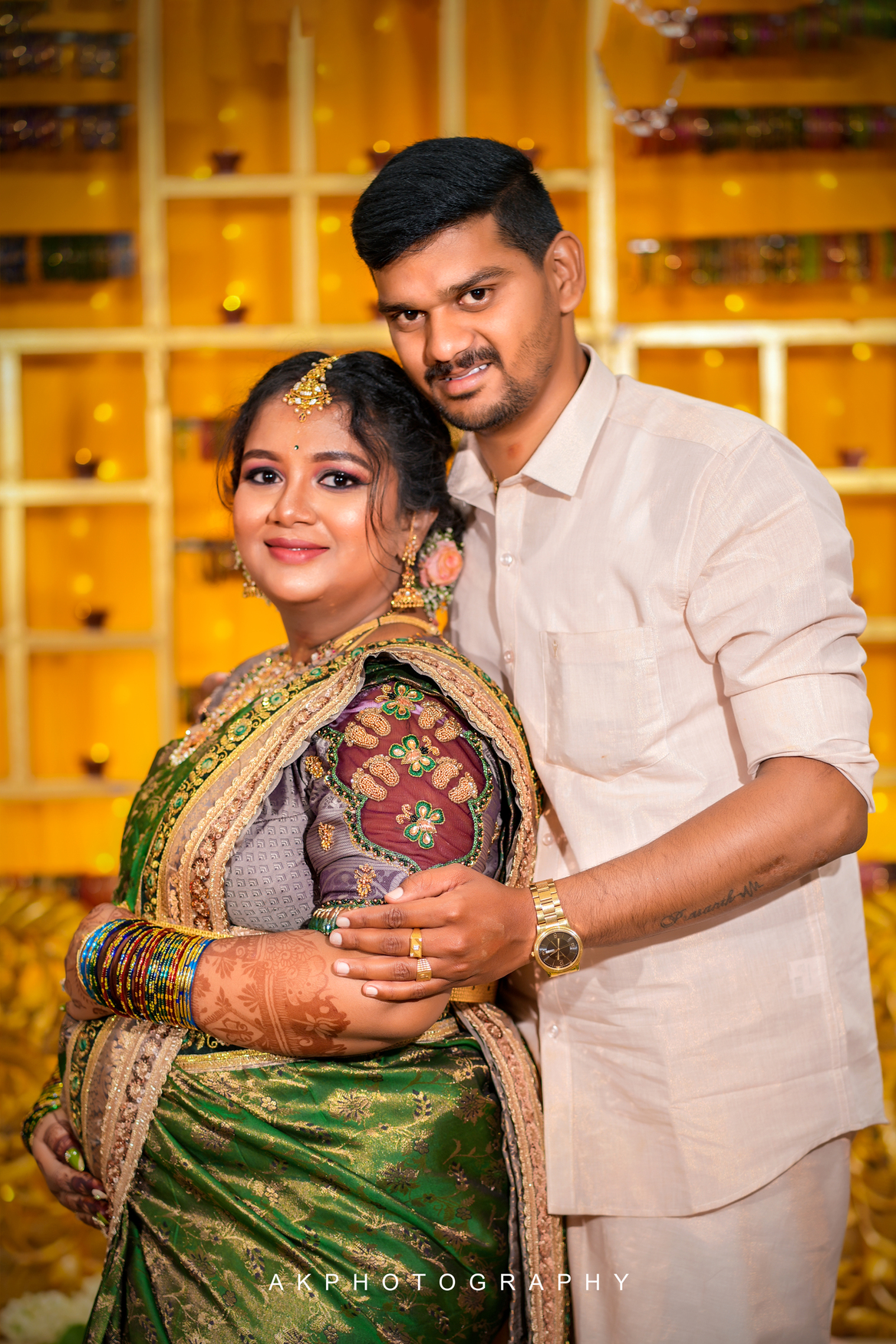
The Attire: Most women choose a vibrant saree for seemantham function, often in shades of green or yellow to symbolize fertility and growth.
-
The Jewelry: Traditional gold temple jewelry or floral ornaments add a layer of grace.
-
The Decor: Using marigolds, banana leaves, and brass lamps creates a timeless backdrop.
If you are looking for inspiration, checking out seemantham album design can help you decide how you want your family legacy to be preserved.
Creative Seemantham Poses to Capture
To make your album stand out, you need a blend of candid and posed shots. Here are some trending seemantham poses to consider:
The Gentle Belly Cradle
This is a classic for a reason. Whether it is a seemantham poses single shot or with your partner, focusing the camera on the mother's hands resting on her belly signifies protection and love.
The Blessing Ritual
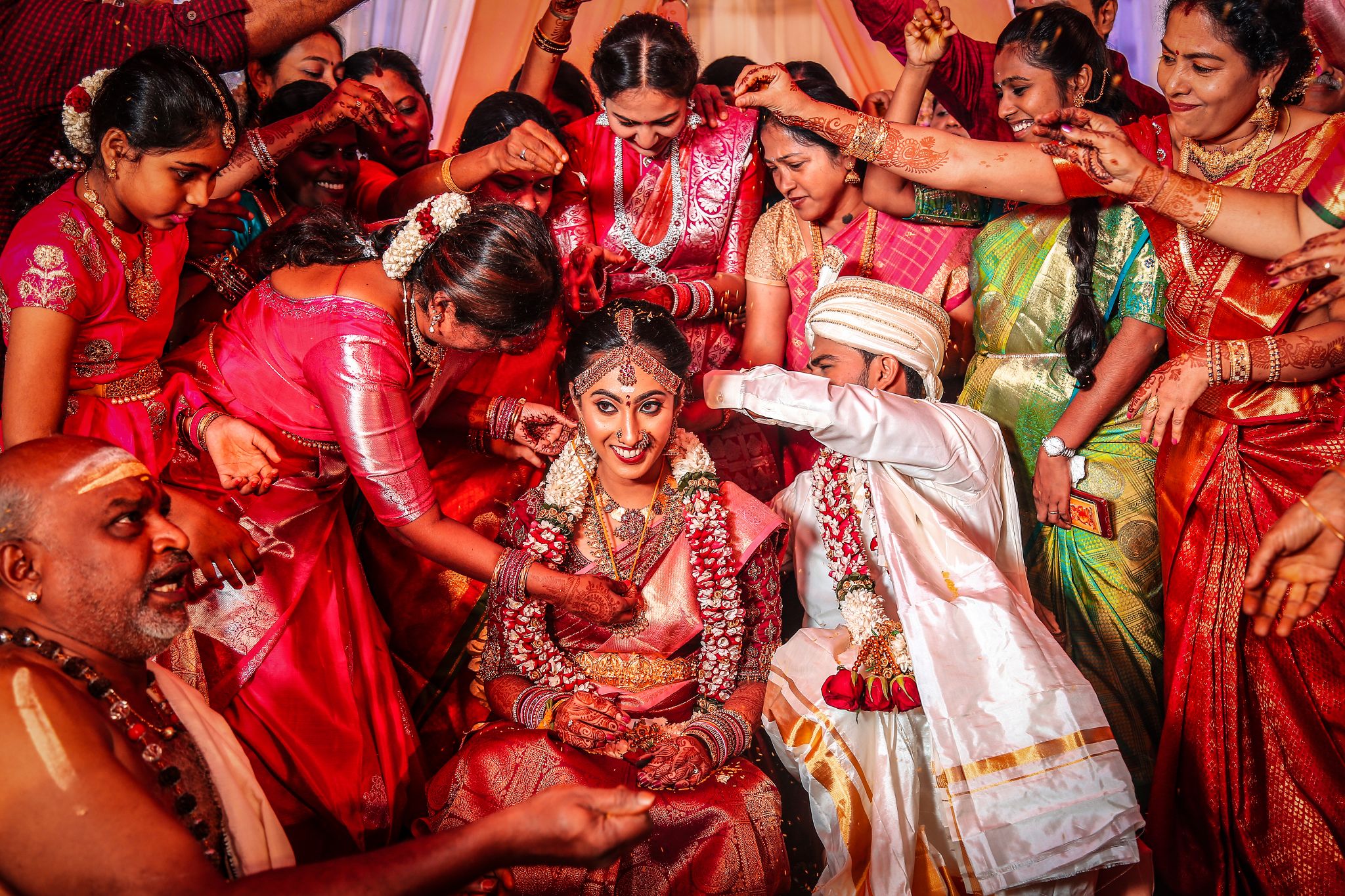
Some of the best seemantham candid photography happens when elders are showering the mother with rice (Akshata) or placing bangles on her wrists. These moments capture raw emotion and tradition.
The Couple Connection
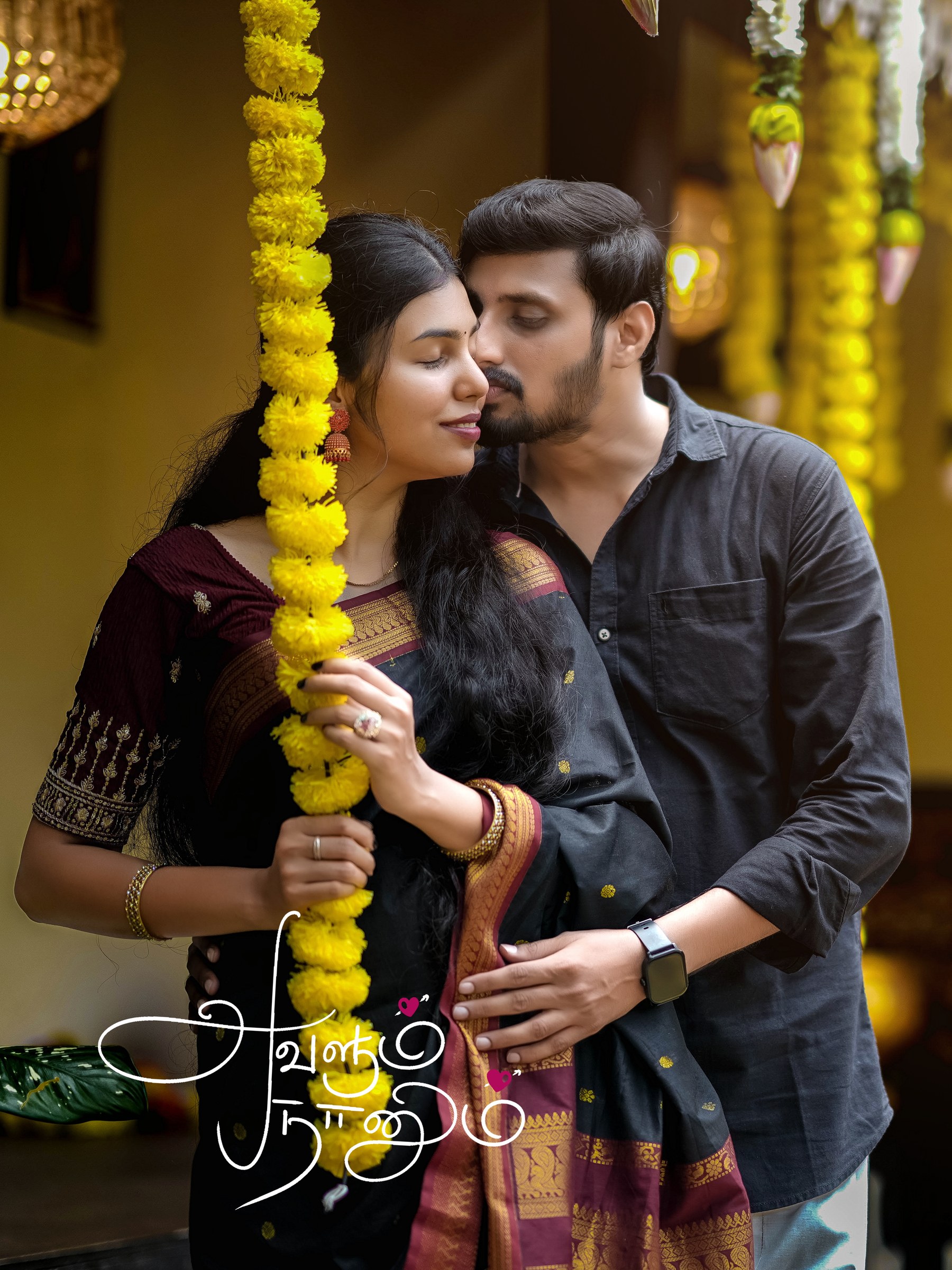
Don't forget the father-to-be! Seemantham couple stills where the husband is looking at the wife with pride or participating in the hair-parting ritual are essential for a complete story.
Cost and Logistics: Navigating the Valaikappu Difference
While many use the terms interchangeably, there is a slight difference between seemantham and valaikappu. Valaikappu is a social function (the bangle ceremony), whereas Seemantham is the religious ritual.
Seemantham Photography Cost
When budgeting, remember that the seemantham photography cost usually depends on the duration of the event and the type of album you choose. Investing in a professional seemantham photographer near me ensures that the lighting in traditional halls doesn't wash out your beautiful saree colors.
Meaningful Gifts and Traditions
What should one give at such a sacred event? Seemantham gifts for mom usually include:
-
Silk sarees.
-
Silver items for the upcoming baby.
-
Healthy dry fruit hampers.
For the guests, returning the love with small "Thamboolam" bags containing betel leaves, a fruit, and perhaps a small coin or bangle is the traditional way to say thank you.
Essential Checklist for Your Seemantham Function
To ensure a stress-free day, keep this checklist handy:
-
Muhurtham: Consult a priest for the best seemantham dates in 2026.
-
Venue: Decide if you want a simple valaikappu function at home or a grand hall.
-
Guest List: Invite close family who will bring positive energy.
-
Photography: Book your seemantham photoshoot at least a month in advance.
-
Menu: Traditional South Indian meals served on banana leaves are always a hit.
Frequently Asked Questions
Is it seemantham or sreemantham?
Both terms are used across different regions and languages (Tamil vs. Telugu), but they refer to the same sacred ritual of "parting the hair" and honoring the pregnant woman.
Can we do seemantham in the 8th month?
Generally, it is avoided due to the belief that the 8th month is a period of transition and instability for the baby's vital energy. Most families stick to the 7th or 9th month.
What is the meaning of Seemantham in English?
In a literal sense, it means "parting the hair upwards." In a cultural context, it is a "Religious Baby Shower" or a "Motherhood Sanctification Ceremony."
Which month is best for Valaikappu?
Valaikappu is typically performed in the 7th month, often coinciding with the Seemantham ritual to celebrate the baby’s developing sense of hearing with the sound of bangles.
How much does a seemantham album design cost?
Prices vary based on the number of pages and the quality of the paper. It is best to check a comprehensive guide to traditional photoshoots for current market rates.
Conclusion
The Seemantham ceremony is more than just a ritual; it is a bridge between generations. By choosing to perform it in the 7th or 9th month, you are aligning with centuries of wisdom that prioritize the mental and spiritual health of the mother.
Whether you are looking for seemantham photoshoot ideas or trying to understand the deep-rooted meanings behind the bangles and chants, remember that the ultimate goal is joy. These are the moments that define a family's history—make sure they are captured with the love and respect they deserve.